

Dementia affects millions of families, but the early signs and symptoms are often misunderstood.

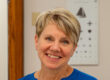
Dr. Joan Hamblin, MD, FAAFP, a family physician at NorthLakes Community Clinic in Eau Claire with extensive experience in dementia care, shares five important things families should know.
1. Early signs are not always just memory loss
When people think about dementia, they often focus on forgetting names or misplacing items. But early symptoms can appear in many ways.
Family members may notice a loved one repeating stories, missing appointments, or having trouble managing medications. Others may show personality changes, frustration, or irritability.
“Sometimes the anger or irritability comes from the person realizing they’re forgetting things,” says Dr. Hamblin.
2. Changes in behavior can be an important clue
Dementia may also show up as changes in daily habits or activities. For example, someone who once enjoyed social activities may suddenly stop leaving the house. Others may withdraw from hobbies or routines.
“It’s often a shift from what that person normally does,” Dr. Hamblin explains. “Maybe they stop playing cards or cooking because they’ve forgotten how to do those things.”
Recognizing those changes can help families seek evaluation earlier.
3. Dementia is a general term
Dementia is not a specific disease. It is a broad term that describes cognitive problems severe enough to interfere with daily life. There are many causes of dementia, including:
- Alzheimer’s disease
- Stroke-related vascular dementia
- Brain injury
- Infections or other brain conditions
Alzheimer’s disease is the most common form, accounting for about 80 percent of dementia cases in older adults.
4. Family involvement can make a big difference
Family physicians often rely on loved ones to help recognize changes in behavior or memory.
“Family members usually know the patient’s baseline the best,” says Dr. Hamblin.
However, privacy laws mean physicians must have the patient’s permission before sharing medical information with family members. Dr. Hamblin encourages patients to include trusted people in their care early. As dementia progresses, having support from family, friends, or neighbors becomes increasingly important.
5. Helpful resources are available for caregivers
Families caring for someone with dementia don’t have to navigate the process alone. Two valuable resources include:
- Aging and Disability Resource Centers (ADRC)Local ADRCs have dementia specialists who can connect families with education, support services, and community resources.
- The Alzheimer’s AssociationThe organization offers caregiver resources, educational materials, and a 24-hour helpline staffed by trained specialists.
“These resources can answer practical questions families face every day,” Dr. Hamblin says.
Understanding dementia early can help families prepare, seek support, and ensure their loved ones receive appropriate care. For more information about dementia evaluation or primary care services, find your NorthLakes Community Clinic or speak with your healthcare provider.
Dr. Joan Hamblin is a family physician at NorthLakes Community Clinic in Eau Claire. Call (715) 861-7901 to schedule an appointment.