


A Conversation with Sheila Gohr, LPC
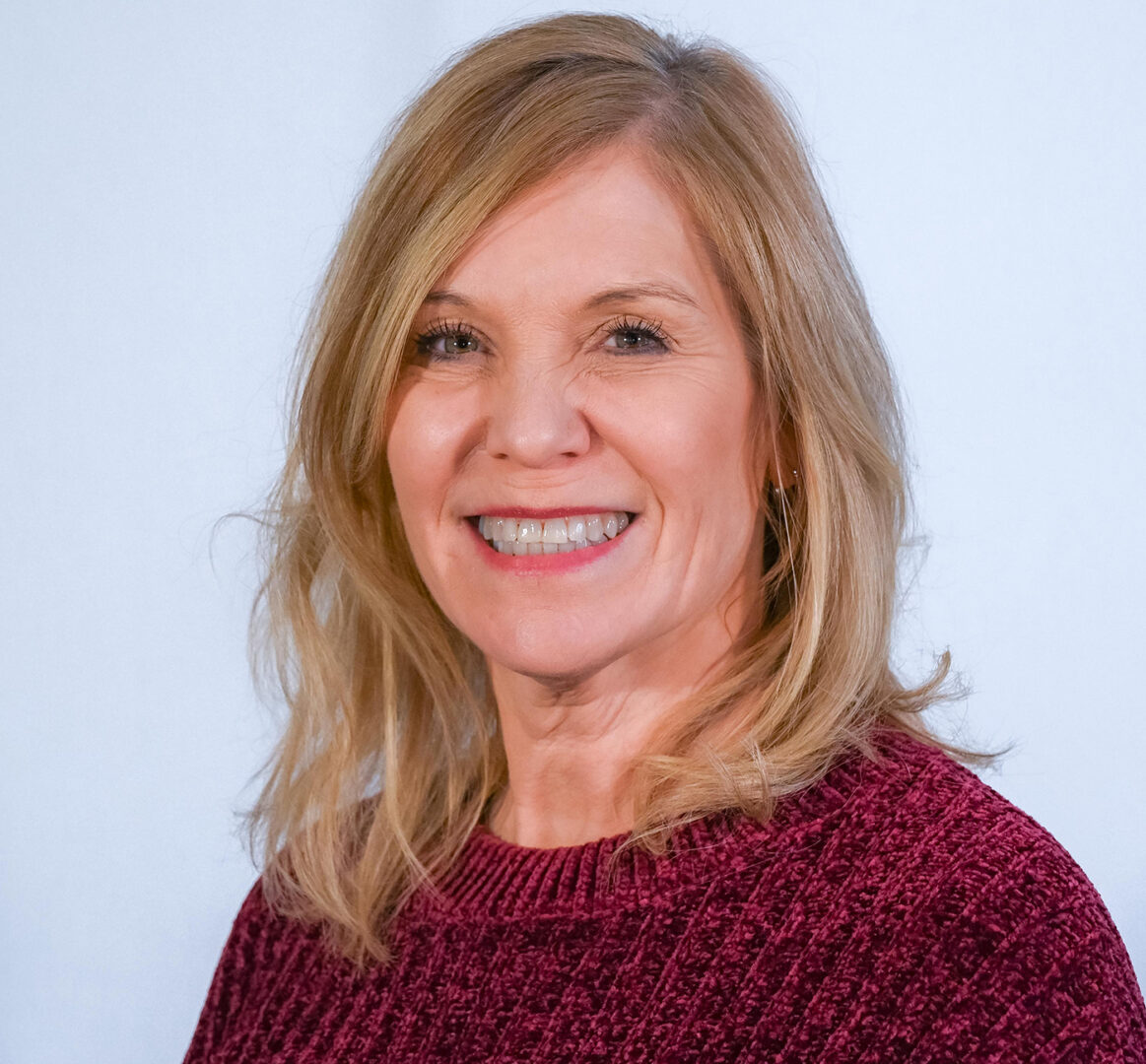 For many people, deciding to seek counseling is just the beginning — walking through the door for the first time may be the hardest step they’ll ever take. Fear of being judged is one of the biggest barriers to seeking therapy. That’s exactly where therapist Sheila Gohr, LPC, begins with clients in Oconto. Sheila’s approach is built on authenticity, transparency, and genuine connection. Rather than judgment, she listens with an intent to understand each person’s unique experiences, responding with validation, empathy, and compassion.
Known for her warm presence, Sheila works to create a space where clients feel heard, valued, and safe enough to begin exploring what’s been holding them back. That’s especially important with teens, who can be among the most reluctant to open up — but who often respond to someone who is simply real with them. Her goal, she says, is not to judge but to listen, guide, and truly be there with her clients every step of the way.
Understanding What Gets in the Way
Much of Sheila’s work centers on helping people develop a deeper understanding of themselves — their behaviors, thoughts, feelings, and the reasons behind them. She notes that people often already know what they need to do differently but can’t see what’s getting in the way.
Through that growing self-awareness, a clearer path forward begins to emerge. Barriers that block this path may take many forms, whether it’s low self-esteem, anxiety, depression, or relational difficulties, and Sheila works alongside her clients to remove those obstacles one by one, moving toward meaningful and lasting change.
Recognizing Signs of an Eating Disorder
Sheila also brings more than 15 years of experience and specialized expertise in eating disorders — an area where early recognition can make a critical difference in recovery. Because eating disorders take many forms, including anorexia, bulimia, binge eating, and restrictive intake disorder, the signs can vary widely from person to person.
Some common indicators to be aware of include preoccupation with food, calories, or dieting; extreme weight changes; skipping meals or avoiding food-related situations; and developing rigid food rituals. Other signs may include withdrawing from friends and previously enjoyed activities; excessive concern with body shape or appearance; episodes of binge eating or feeling out of control around food; and going to the bathroom immediately after eating or exercising excessively to compensate.
It’s important to note that not every person will experience all of these signs, and their presence doesn’t automatically indicate an eating disorder. But if you’ve noticed these patterns in yourself or someone you care about, Sheila encourages scheduling an assessment as soon as possible. Recognizing the warning signs early and seeking help promptly can greatly improve the chances of recovery.
To learn more or schedule an appointment with Sheila, contact NorthLakes Community Clinic in Oconto at (920) 516-7107. Additional services include chiropractic, dental, and vision.