
Things to consider before taking supplements
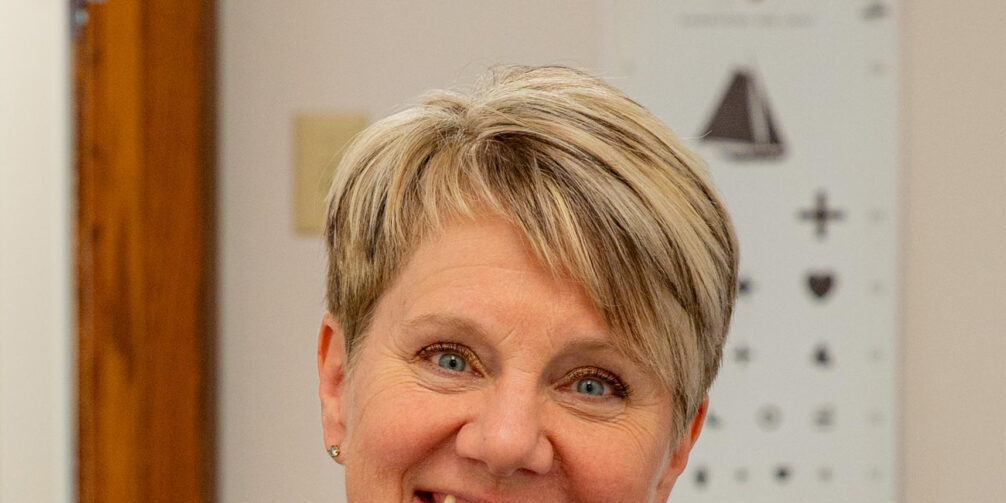
By Tina Opelt, APNP, FNP-BC, Family Nurse Practitioner
In the US, there is a rapidly growing trend with people seeking “natural” remedies for a wide range of health conditions or symptoms. However, the very best way to achieve optimal health is through a wide variety of healthy foods and a physically active lifestyle. Studies show that many people don’t tell their medical providers about supplements they buy. They worry their doctor will judge them. But honest talks with your doctor lead to better care and trust.
Americans spent an estimated $64 billion on supplements in 2024. Most of these products have minimal quality testing and medical research to prove they are beneficial. There is no regulation or oversight, so any company can mass-produce and market products without having any regulatory oversight.
Three groups test supplements for quality. Look for these names on the bottle:
- USP (U.S. Pharmacopeia)
- ConsumerLab.com
- NSF International
Brands with these stamps are more likely to be safe.
As a medical professional, we are required to evaluate data on supplements and prescription medications for quality, efficacy and safety. If they pass all three tests, we suggest them – such as prenatal vitamins, vitamin D3, B-vitamins such as folic acid and B12, vitamin C and calcium. If quality, benefit and safety are deemed “uncertain”, caution is recommended. If we’re not sure about a supplement, we tell people to be careful. If it hasn’t been tested, doesn’t work or isn’t safe, we tell people not to use it.
Infants, children, pregnant and nursing mothers, older adults, surgical patients and anyone with chronic health conditions of any kind are strongly cautioned not to take supplements. Always talk to a health care provider first. Chronic health conditions such as diabetes, heart disease, and any condition affecting the immune system require extra caution. Many naturally occurring substances can seriously affect the blood sugar and liver function These include fenugreek, alfalfa, devil’s claw and ginseng. Talk to a health care provider you trust. Don’t believe slick marketing that just wants your money.
Health Matters Monthly Column // January 2026
Tina Opelt, APNP, FNP-BC, is a family nurse practitioner for NorthLakes Community Clinic in Augusta, Wisconsin, where
everyone is served, regardless of their ability to pay, ensuring that all residents of northern Wisconsin have access to quality
healthcare. For more information, visit nlccwi.org.